
Why Everything is About Dogs (And Cat People Are Over It)

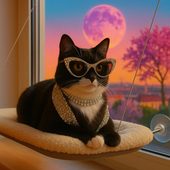
Once you notice it, you can’t unsee it: pet culture defaults to dogs. Dogs are the mascots. The heroes. The shorthand for loyalty and love. Cats? They’re often the joke, the side character, or the “mysterious roommate who doesn’t pay rent.”
And yet… cat people are everywhere. Quietly obsessed. Deeply invested. Fully willing to rearrange furniture around a sunbeam because “she likes that spot.” So why does it still feel like everything - media, merch, ads, even everyday language - centers dogs first?
This isn’t a cats-versus-dogs battle. It’s a simple observation: cats aren’t less lovable, they’re just less celebrated. Here’s why that happens, what it says about cat stereotypes, and how it inspired CatLoafClub (without being weird about it).
1) The “Dog Default” Is Real
Think about how we talk. We have “dog dads,” “good boys,” “dog parks,” “puppy playdates,” and a whole vibe of loud public celebration around dogs. Dogs are considered naturally social, naturally friendly, naturally “for everyone.”
Cats often live in a different lane. Cat love tends to be more private. Cat behavior tends to be more subtle. Cat affection tends to be earned. And because it’s less obvious at a glance, it’s less “marketable” to the broadest audience.
2) The Numbers Behind the Bias (Not a Conspiracy, Just a Market)
Here’s the not-scary reason dog culture is louder: dogs are more common in households than cats in the U.S. That means brands, media, and marketing default to what reaches the biggest slice of people. It’s not personal - it’s a funnel.
When ownership skews dog, pet products skew dog. When products skew dog, content skew dog. When content skews dog, the “default pet” story gets reinforced. Repeat forever.
So what does that mean for cat lovers?

- Cat people can feel niche even when we’re not.
- Cat aesthetics get reduced to “cutesy” more often than “cool.”
- Cat personalities get flattened into stereotypes instead of celebrated as complex.
The result is a weird cultural math: cats can be wildly popular online, but still feel underrepresented in the broader “pet identity” space. Like… we exist, but we’re treated like we’re hiding in a corner of the internet.
3) Why Cat Stereotypes Hit Harder
Dogs get the “golden” stereotypes: loyal, friendly, protective, good-hearted. Cats get the “complicated” ones: aloof, sneaky, mean, independent (said like it’s a flaw). But most cat people know the truth: cats are affectionate in a way that feels personal. They’re observant. Emotional. Funny. Dramatic. Sometimes unhinged. (Respectfully.)

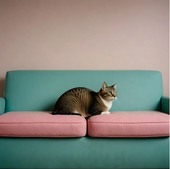
Cats also don’t perform the way dogs do. A dog might greet you like you returned from war. A cat might blink slowly and sit three feet closer than usual, which is basically a marriage proposal in cat language. If you don’t understand cats, you miss the moment. And then you assume there wasn’t one.

The real difference: attention styles
Dogs are expressive in a way that reads instantly. Cats are expressive in a way that rewards attention. Cats don’t perform on command. They reward observation. That’s not “cold.” That’s character.

4) Plot Twist: Even Our Chihuahua Stole the Show
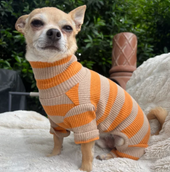
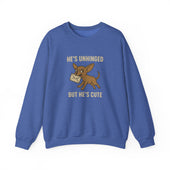
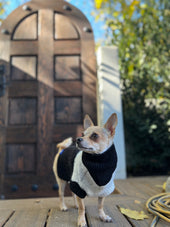
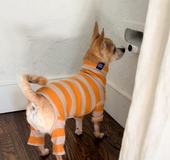
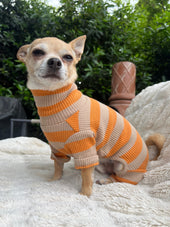
Confession: on a cat-centered page, our chihuahua still became a breakout character. Loud. Chaotic. Completely convinced he’s the main character. (He’s wrong, but he’s committed.) The Dodo did a feature on him after the antics of him at war with the mail went viral.
And honestly? That proves the point. Dog behavior reads instantly on video: barking, sprinting, dramatics, “what is he doing?!” Cats are quieter: loafing, hovering, staring, calculating, silently judging. The comedy is there - but you have to watch.

5) How to Celebrate Cats (Without “Live Laugh Meow” Energy)
If cat culture has a branding problem, it’s not that cats aren’t lovable—it’s that cats get stuck in one aesthetic lane: overly cutesy, overly basic, overly “cat lady.” But cat people are not one thing. And cats are not one vibe.
Three ways to celebrate cats that actually feel modern
- Make cats the main character. Not the sidekick. Not the punchline. Not the background decoration.
- Honor the personality types. The anxious overthinker. The chaos gremlin. The dramatic hero. The silent supervisor. Cats contain multitudes.
- Go for “iconic,” not “kitschy.” Clean design. Strong voice. Fashion-forward energy. Cat lovers deserve style that doesn’t feel like a joke.
6) Why CatLoafClub Exists
CatLoafClub started as a quiet correction: a place where cat people don’t have to settle for the same tired stereotypes. A place where cats aren’t “the mean one” or “the weird one.” They’re the main character...with real personality and real style.
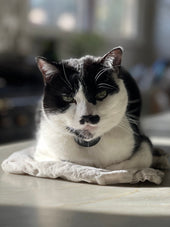
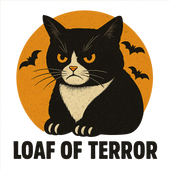
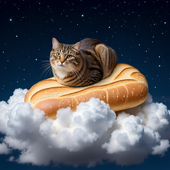
We’re not anti-dog. We’re pro-cat. We’re for the people who notice the details: the perfect loaf, the slow blink, the tiny routine that makes no sense to anyone else but means everything in your house.

If you’re a cat person who’s tired of cats being the side quest, welcome.
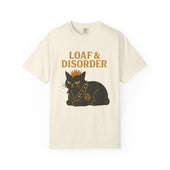
Or start with the vibe: a clean, elevated cat-lover aesthetic—funny, character-driven, and made for people who love cats loudly (even if society doesn’t).
The Takeaway
Dog culture is loud. Cat culture is iconic. The gap isn’t that cats are less lovable. The gap is that cats are less centered - and cat people are done pretending that’s normal.
If even a dog can steal the spotlight on a cat page, imagine how much cat greatness we’re missing everywhere else. Let’s fix that - one loaf at a time.
FAQ: Cats vs Dogs, Cat Culture, and “Why Cats Aren’t Celebrated Enough”
Are cats actually less popular than dogs?
In many places (including the U.S.), dogs appear in more households than cats. That ownership skew often shapes marketing and media, which can make it feel like pet culture defaults to dogs. More dogs doesn’t mean cats are less loved—it means cats are less centered in mainstream storytelling. Cat people tend to be deeply loyal, even if their love shows up more quietly.
Why does pet culture seem so dog-focused?
Dog behavior is instantly readable: excitement, loyalty, chaos, affection on full display. That makes dogs easier to feature in ads, movies, and viral content. Cats communicate in subtler ways, which means their personality often gets overlooked unless you’re paying attention. Culture tends to reward what’s loud and obvious.
Why do cats get labeled as aloof or mean?
Cats have boundaries and nuanced communication styles. Slow blinks, proximity shifts, and quiet routines are all forms of affection—but they’re easy to miss if you don’t know what to look for. When affection isn’t performative, it’s often misread. Cat love isn’t cold; it’s selective.
If cats are under-celebrated, why do cat videos do so well online?
Cat content performs incredibly well online, but it often lives in the “cute” or “funny” lane. What’s missing is cultural framing that treats cats as complex, iconic, or lifestyle-defining. Cats get views—but not always respect. That’s the gap cat culture is pushing to close.
Does including a dog undermine a cat-focused brand?
Not at all. In fact, it can highlight the contrast. Dogs are expressive in a way that reads instantly on camera, while cats reward attention and observation. A chaotic dog can pull people in—but cats are often what make them stay. The difference reinforces the point, rather than diluting it.
What does “cat culture” actually mean?
Cat culture is the shared language of cat people: loaf forms, routines, personality archetypes, quiet companionship, inside jokes, and the way cats slowly become the center of a home. It’s not just about owning a cat—it’s about noticing one.
Is CatLoafClub anti-dog?
No. CatLoafClub is pro-cat. The goal isn’t to replace dog culture, but to give cat people a space where cats aren’t the side character. Dogs can be loud and lovable. Cats can be iconic and intentional. Both can exist—but cats deserve their own spotlight.